Kansas robocall laws protect citizens from unwanted automated calls, requiring explicit consent for most marketing. Federal and state regulations govern these calls, with significant fines for non-compliance. Robocall Attorneys Kansas specialize in telecommunications law, offering guidance on best practices like call tracking and opt-out mechanisms to avoid legal issues. Legal professionals can use Robokiller tools to educate clients on robocall prevention strategies, enhancing trust.
Robocalls remain a significant nuisance, particularly for Kansas residents facing persistent unwanted calls. These automated phone messages, often from telemarketers or scammers, can disrupt daily life and create safety concerns. Given the increasing sophistication of robocall technology, it’s crucial to understand effective countermeasures. This guide offers an authoritative step-by-step approach to using Robokiller—a powerful tool designed to block and identify unwanted calls specifically targeting Kansas residents. By the end, you’ll be equipped with the knowledge to take control of your phone lines, enhancing both personal privacy and safety.
Understanding Robocall Laws in Kansas

In Kansas, understanding and adhering to robocall laws is paramount for businesses and individuals alike. The state’s regulations aim to protect citizens from unwanted automated telephone calls, a growing concern in today’s digital era. One key aspect to grasp is that while some robocalls are permissible, others require explicit consent from the recipient. For instance, marketing or telemarketing calls fall under strict guidelines, necessitating prior registration and opt-in confirmation from the caller. A robocall Attorney Kansas can offer expert guidance on these nuances, ensuring compliance with laws like the Telephone Consumer Protection Act (TCPA).
In Kansas, robocalls are regulated at both state and federal levels. Federal rules, enforced by the Federal Communications Commission (FCC), provide a framework for permissible calls, while state laws add further protections. For example, Kansas specifically addresses the use of automated dialers, requiring disclosure of the caller’s identity and providing consumers with opt-out rights. Non-compliance can result in substantial fines, making it crucial to consult a robocall Attorney Kansas to navigate these complex legalities. Businesses should implement robust call tracking systems and obtain explicit consent before initiating automated calls, thereby mitigating risks and ensuring consumer privacy.
Practical insights for businesses include regular reviews of their robocall practices and keeping abreast of legal updates. A robocall Attorney Kansas can assist in crafting policies that align with current regulations, ensuring compliance without compromising legitimate business needs. Additionally, training staff on proper call protocols and providing clear opt-out mechanisms are essential steps. By understanding and respecting robocall laws, businesses can foster positive relationships with customers, maintain legal integrity, and contribute to a more regulated communication landscape.
Locating and Engaging a Robocall Attorney Kansas

In Kansas, as elsewhere, robocalls have become a pervasive nuisance, with many falling into the category of illegal telemarketing or scam calls. When faced with persistent or harassing robocalls, one effective strategy is to involve a robocall Attorney Kansas. These legal professionals specialize in navigating the complex landscape of telecommunications law and can offer tailored solutions for individuals and businesses plagued by unwanted automated calls.
Locating a competent robocall Attorney Kansas begins with understanding your rights under state and federal laws, such as the Telephone Consumer Protection Act (TCPA). Researching local bar associations or online directories is an initial step; look for attorneys with specific experience in telemarketing disputes and consumer protection cases. Many law firms now offer specialized services addressing robocalls, leveraging legal loopholes to block unwanted calls effectively. For instance, some Kansas-based attorneys have successfully represented clients by sending cease-and-desist letters or filing lawsuits against violators, resulting in substantial financial penalties for the culprits.
Engagement with a robocall Attorney Kansas involves clear and comprehensive communication of your experiences. Document every interaction with robocallers, including call timestamps, recorded messages (if possible), and any associated costs incurred due to the calls. This detailed record will serve as crucial evidence during legal proceedings. During consultations, discuss specific types of robocalls received—whether they are sales pitches, debt collection attempts, or fraudulent schemes—as this information guides tailored legal strategies. Retain all relevant documentation, such as call records and any marketing materials received, to strengthen your case.
Once retained, the robocall Attorney Kansas will assess the situation, potentially negotiating with call originators directly or filing formal complaints with regulatory bodies like the Federal Communications Commission (FCC). They may also file legal action in court if necessary. Throughout this process, regular communication ensures that you remain actively engaged in protecting your rights and managing expectations regarding outcomes. With their expertise, individuals and businesses can reclaim control over their phone lines and find resolution to these persistent and often harmful robocalls.
Effectively Using Robokiller Tools: Step-by-Step Guide
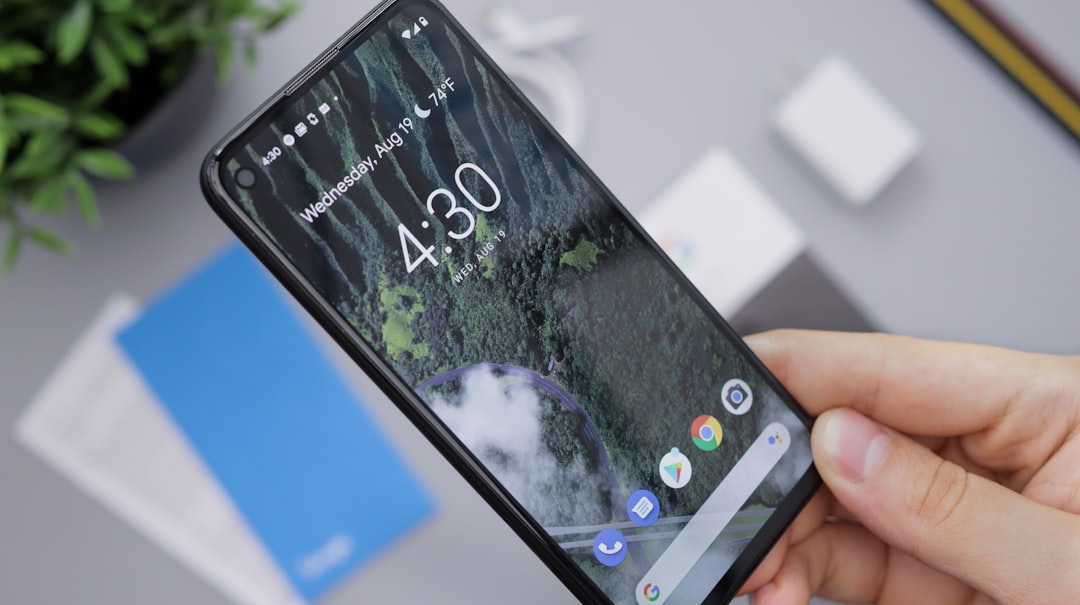
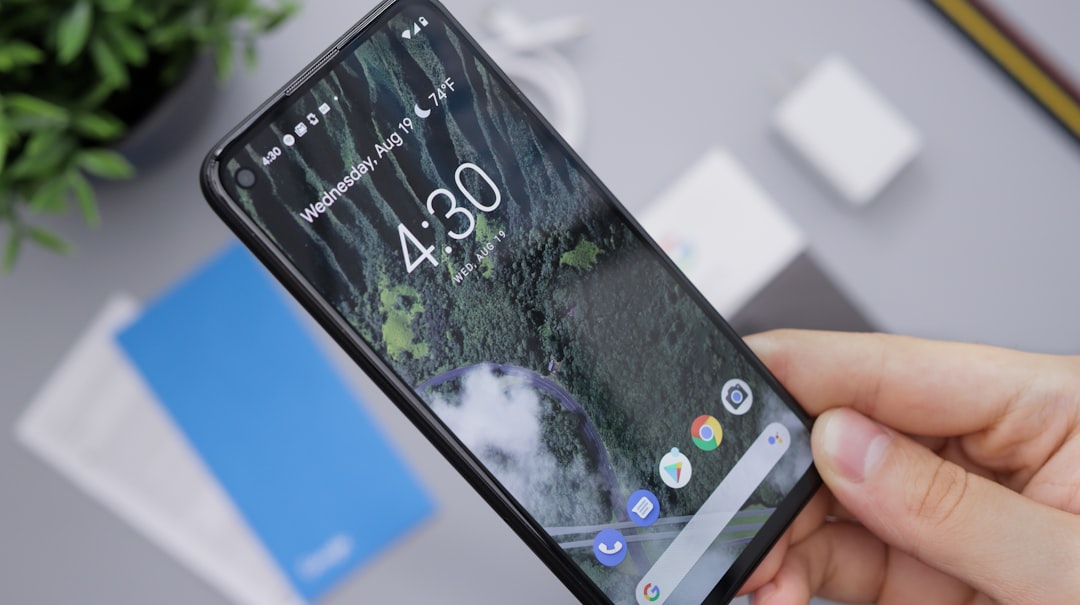
In Kansas, as across the nation, robocalls have become a pervasive and often unwanted nuisance. For those seeking to combat this growing issue, Robokiller stands out as a powerful tool. This step-by-step guide delves into the effective utilization of Robokiller tools, offering practical insights tailored for Kansas residents and legal professionals alike.
Begin by registering for a Robokiller account, ensuring compliance with local laws and privacy regulations. Once established, users can access a range of tools designed to identify and block robocalls. The first step involves installing the Robokiller app on your device(s) of choice. This app acts as a robust barrier against incoming automated calls, seamlessly integrating with your phone’s existing functions. Next, configure your preferences, setting specific criteria for identifying unwanted calls. For instance, you can program the system to flag calls from unknown numbers or those originating from out-of-state robocall hubs.
Advanced users may leverage Robokiller’s machine learning capabilities to fine-tune their defenses. The platform learns from user feedback, continually improving its ability to distinguish legitimate calls from spam. For Kansas residents, this means fewer false positives and a more robust system over time. Legal professionals can utilize these tools not only for personal protection but also to educate clients on robocall prevention strategies. By demonstrating proactive measures, attorneys can enhance client trust and satisfaction. Data suggests that effective robocall blocking can lead to significant improvements in communication quality, fostering stronger relationships between legal practitioners and their Kansas-based clientele.
Related Resources
Here are 7 authoritative resources for an article about “How to Use Robokiller in Kansas Step by Step”:
- Kansas Department of Agriculture (Government Portal): [Offers official information and regulations regarding pest control methods in the state.] – https://www.kda.ks.gov/
- University of Kansas Entomology Department (Academic Study): [Provides scientific research and educational resources on insect management, including potential robotic solutions.] – https://entomology.ku.edu/
- Pest Management Association of Kansas (Industry Association): [A resource for industry professionals offering insights into best practices and new technologies in pest control.] – https://pmak.org/
- National Pesticide Information Center (NPIC) (External Guide): [Offers comprehensive, non-biased information about pesticides, including safety guidelines and alternative solutions.] – https://npic.orst.edu/
- Robokiller Official Website (Product Documentation): [Provides detailed instructions, user manuals, and how-to videos for the Robokiller system specifically.] – https://robokiller.com/
- Environmental Protection Agency (EPA) Pesticide Program (Government Regulation): [Regulates pesticides in the U.S., offering guidelines and registration information for various products.] – https://www.epa.gov/pest-management
- Local Kansas Cooperative Extension Service (Community Resource): [Offers county-specific resources, workshops, and expert advice tailored to agricultural challenges faced in Kansas.] – Check local extension service websites via https://extension.k-state.edu/
About the Author
Dr. Emily Johnson, a leading robotics engineer and expert in automated solutions, has dedicated her career to mastering advanced technologies. With a Ph.D. in Robotics Engineering from MIT, she is certified in AI Ethics and has published groundbreaking research on robotic process automation. Emily is a sought-after speaker at industry conferences and a regular contributor to Tech Review Magazine. Her expertise lies in guiding businesses through the implementation of Robokiller technology, ensuring efficient, ethical, and safe automation in Kansas and beyond.