
Kansas seniors face sophisticated robocall scams leveraging fear and urgency. The state's Robocall Laws, governed by the TCPA and Senior Protection Act, offer protections but can be exploited. Scammers impersonate government agencies to trick seniors into disclosing personal data. Solutions include using robocall protection apps like TruthFinder, NoCall, and Hiya; understanding and adhering to Robocall Laws; employing strong passwords, two-factor authentication, and antivirus software; and staying informed about emerging scams. Proactive measures empower seniors to safeguard their privacy and financial well-being.
Kansas seniors, like many across the nation, face an increasing barrage of robocalls, posing a significant concern for their safety and privacy under current telemarketing regulations. These automated calls, often riddled with scams, can be particularly harmful to vulnerable populations. With Kansas’ robust telecommunications infrastructure, it’s crucial to explore effective solutions, especially mobile apps designed to combat this modern nuisance. This article delves into the world of robocall scam protection apps tailored specifically for Kansas seniors, offering a comprehensive guide to navigating these technological tools while adhering to local robocall laws.
Understanding Robocall Scams Targeting Kansas Seniors

Robocall scams targeting Kansas seniors have become increasingly sophisticated and prevalent, posing significant risks to personal financial security. These automated phone calls often impersonate government agencies, banks, or even fellow seniors, leveraging fear and urgency to trick recipients into disclosing sensitive information such as Social Security numbers, bank account details, or credit card PINs. According to the Federal Trade Commission (FTC), robocalls are one of the most common methods used by scammers to defraud Americans, with Kansas seniors being a particularly vulnerable demographic due to potential naivety and limited digital literacy.
The Kansas Robocall Laws, while designed to protect consumers, can be complex and often leave room for manipulation by unscrupulous callers. For instance, the laws permit automated calls for marketing purposes if the caller provides an opt-out mechanism, which scammers may exploit by offering seemingly legitimate services before demanding personal information. Furthermore, certain robocalls claiming to be from government agencies or emergency services are exempt from these regulations, adding another layer of complexity. Seniors in Kansas must therefore remain vigilant and educated about these tactics to protect themselves effectively.
Practical insights for Kansas seniors include being wary of unexpected calls requesting personal information, verifying the caller’s identity independently, and never providing sensitive data over the phone unless you initiated the call and are certain of the recipient’s legitimacy. Utilizing robocall protection apps can also significantly enhance security by blocking known fraudulent numbers and providing advanced warning about potential scams. Expert recommendations suggest installing reputable app solutions that update regularly with new scammer databases to ensure maximum protection against evolving tactics. By combining awareness, technological tools, and adherence to local robocall laws, Kansas seniors can better navigate these treacherous waters and safeguard their financial well-being.
The Legal Framework: Kansas Robocall Laws Explained

The fight against robocall scams has become a top priority for many states, Kansas included, as these automated calls continue to evade traditional blocking methods. Understanding the legal framework surrounding robocall laws in Kansas is crucial for both consumers and businesses alike. The state has implemented specific regulations to curb the influx of unwanted and fraudulent calls, offering some protection to its residents, especially the senior population that often becomes a target for such scams.
Kansas robocall laws are primarily governed by the Telephone Consumer Protection Act (TCPA), a federal statute designed to regulate telemarketing practices. The TCPA prohibits automated telephone equipment from making any call to a wireless or landline phone without the prior express consent of the caller. This includes prerecorded messages and artificial or synthesized voices, commonly used in robocalls. The law also mandates that businesses obtain written permission before calling individuals, ensuring a clear trail of consent for marketing purposes. Fines for non-compliance can be substantial, reaching up to $1,500 per violation, making it a serious matter for companies engaging in unauthorized robocalls.
Furthermore, Kansas has introduced additional safeguards for its seniors through the Senior Protection Act. This legislation takes a more stringent approach by restricting certain types of robocalls, particularly those related to marketing and sales, during specific hours, such as before 8 am or after 9 pm, when many seniors are most vulnerable. The act also provides for quicker legal action against violators, ensuring that offenders face consequences promptly. By combining federal and state regulations, Kansas aims to create a robust defense against robocall scams, offering its residents, especially the elderly, some much-needed relief from these intrusive and often fraudulent calls.
Identifying and Reporting Suspected Fraudulent Calls
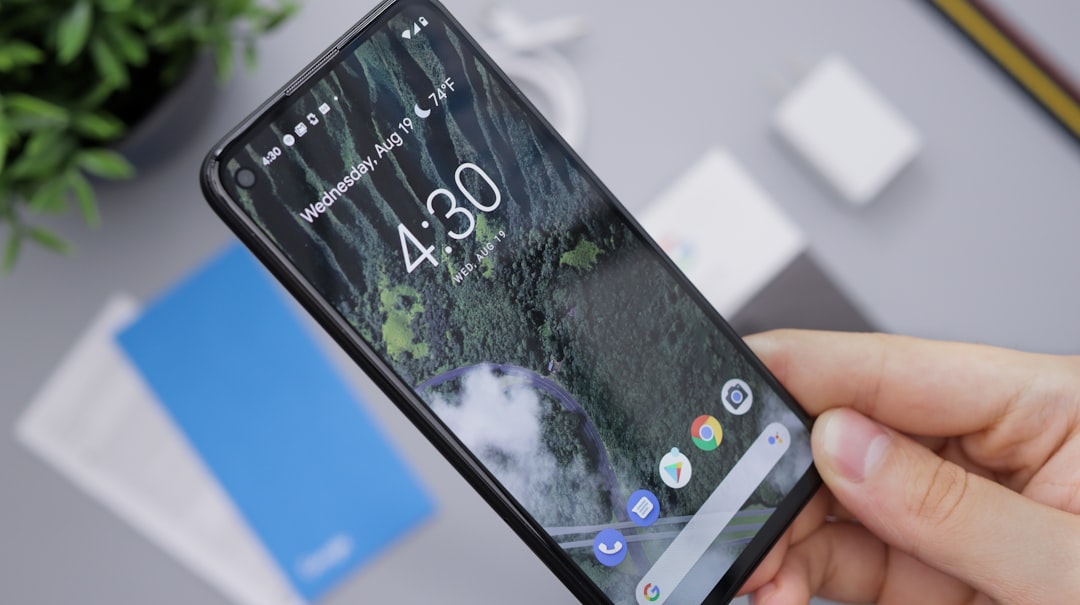
Robocall scams pose a significant threat to Kansas seniors, with fraudulent calls often targeting vulnerable populations. Identifying and reporting suspected fraudulent calls is a crucial step in protecting oneself and the community. According to the Federal Trade Commission (FTC), robocalls are responsible for more than 40 billion unwanted calls annually, many of which carry malicious intent. In Kansas, where robocall laws are enforced by the Attorney General’s Office, recognizing suspicious patterns can help prevent financial losses and identity theft.
Seniors should be vigilant when answering phone calls from unknown numbers. A common tactic used by scammers is to pose as government officials, banks, or tech support representatives to trick individuals into revealing personal information. For instance, a recent trend involves scammers impersonating Social Security Administration (SSA) agents, claiming that the individual’s social security number has been compromised and demanding immediate action. It’s essential to verify such claims independently by contacting official channels directly. The Kansas Attorney General’s Office encourages residents to be wary of urgent requests for money or personal information over the phone.
Reporting suspected fraudulent calls is a powerful tool in combating robocall scams. Consumers can log complaints with the FTC, which maintains a database used by law enforcement agencies across the country. Additionally, many telephone service providers offer call-blocking technologies and features that identify and filter out known scammer numbers. By combining awareness, verification, and reporting practices, Kansas seniors can actively contribute to a safer digital environment for themselves and their peers.
Top Apps for Protecting Against Robocalls in Kansas

Kansas seniors, like many across the nation, face a growing threat from robocalls. These automated, often deceptive, phone calls can range from marketing messages to fraudulent attempts to steal personal information or money. Luckily, numerous apps have emerged to combat this nuisance and provide much-needed protection. Among the top choices for Kansas residents are applications that leverage advanced call blocking technology, offer real-time threat intelligence, and integrate with home security systems.
One such app is TruthFinder, which combines a robust caller ID feature with a comprehensive database of known scammer numbers. The app regularly updates its data based on information from the Federal Trade Commission (FTC) and other regulatory bodies, ensuring that it stays ahead of evolving scams. Another popular option is NoCall, an application that allows users to register their phone number for inclusion in national “do not call” lists. By participating, seniors can significantly reduce the volume of incoming robocalls. Additionally, apps like Hiya offer advanced AI-driven call blocking, identifying and filtering out suspicious calls before they reach the user’s device.
Beyond app-based solutions, Kansas residents can enhance their protection by staying informed about local robocall laws. The Kansas Robocall Law requires telephone marketers to obtain written consent from consumers before making automated calls for telemarketing purposes. By understanding and utilizing these legal protections, along with cutting-edge apps, seniors can take a proactive step towards safeguarding their privacy and peace of mind in an increasingly digital world.
Best Practices to Safeguard Your Information Online

Kansas seniors, like many others across the nation, have become increasingly targeted by robocall scams, which have evolved to exploit online vulnerabilities. To safeguard your personal information in this digital age, adopting robust practices is essential. Start by scrutinizing unknown callers; if a call appears suspicious, don’t hesitate to verify its legitimacy through official channels. For instance, the Kansas Robocall Laws provide guidelines on how to complain about unwanted calls, empowering you to take action against potential scammers.
Implementing strong passwords and enabling two-factor authentication across your devices and accounts is a fundamental step in online security. This multi-layered protection makes it significantly harder for cybercriminals to access your data. Regularly update software and apps to patch security vulnerabilities; these updates often include fixes for known exploits that could expose your information. Furthermore, be cautious when sharing personal details online. Verify the security and privacy policies of websites and services before entering sensitive data, ensuring your information is handled according to established standards.
Using reputable antivirus and anti-robocall apps can provide an extra layer of defense. These tools can detect and block malicious calls while also scanning for malware and viruses. Stay informed about emerging scams by following trusted sources and cybersecurity advisories tailored for seniors. By combining these best practices, Kansas seniors can significantly reduce their risk of falling victim to online robocall scams, ensuring a safer digital experience.