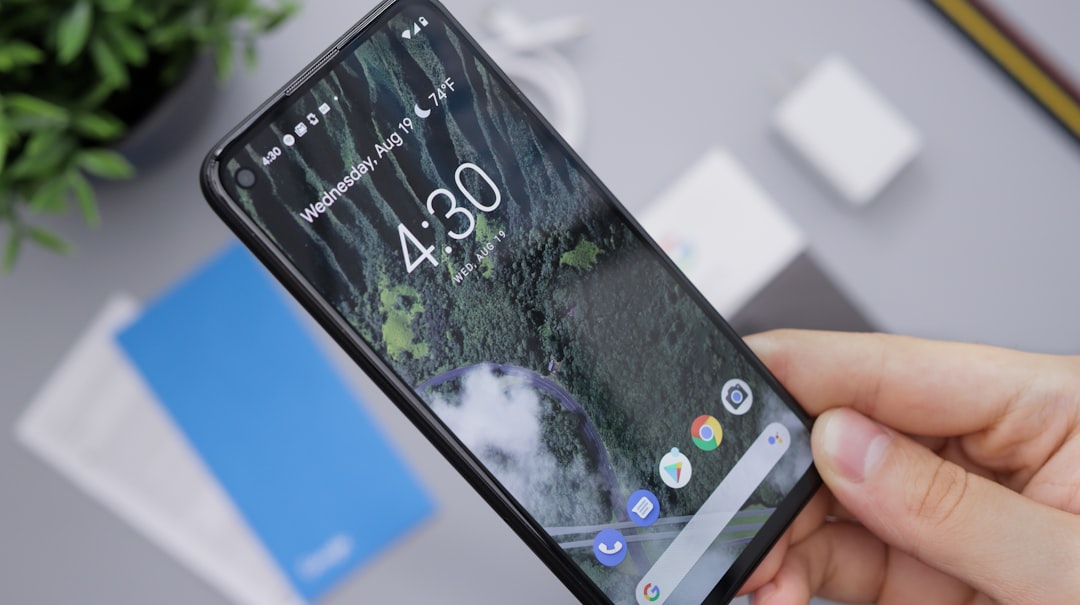
Robocalls are a growing problem for small businesses in Kansas and nationwide, impacting operations and customer interactions. Federal laws like the TCPA restrict automated marketing calls, with strict penalties for non-compliance. Robocall attorneys in Kansas specialize in guiding businesses through these regulations, offering strategic guidance on call blocking, consent verification, and legal exemptions. Businesses can protect themselves by implementing advanced filtering technologies, maintaining do-not-call lists, staff training, and staying informed about evolving robocall tactics. Partnering with these attorneys helps mitigate unwanted calls, safeguard consumer protection, and foster a safer communication environment.
Small businesses in Kansas face a growing challenge from relentless robocalls, impacting customer relationships and operational efficiency. These automated calls, often from illegal sources, have become a significant nuisance, prompting the need for effective solutions. Robocall blocking technology emerges as a powerful tool to safeguard Kansas businesses against this modern-day threat. As trusted legal experts in telecommunications law, we offer insights into navigating this complex issue. This article provides a comprehensive guide to understanding robocall blocking, its legal implications, and how small businesses can protect themselves, ensuring compliance and enhanced customer interactions.
Understanding Robocalls and Their Impact on Kansas Businesses
Robocalls have become a ubiquitous yet often nuisance aspect of modern communication, posing a unique challenge for small businesses in Kansas and across the nation. These automated phone calls, typically used for marketing or informational purposes, can significantly impact business operations and customer experiences. According to recent studies, robocalls account for nearly half of all calls received by Americans, with many targeting small enterprises due to their perceived vulnerability. The sheer volume and relentless nature of these calls disrupt daily business activities, leading to decreased productivity and increased costs.
The impact on Kansas businesses can be substantial. Small companies often rely heavily on customer interactions for growth and retention, yet robocalls can obscure genuine leads and cause potential clients to lose faith in a brand’s legitimacy. Moreover, the legal implications cannot be overlooked; Kansas has implemented specific regulations to combat unwanted robocalls, with strict penalties for non-compliance. A robocall attorney in Kansas emphasizes the importance of understanding these laws, such as the Telephone Consumer Protection Act (TCPA), which prohibits automated calls without prior consent. Businesses must adopt robust call blocking measures not only to protect their operations but also to ensure they remain compliant with consumer protection legislation.
To mitigate the effects of robocalls, Kansas businesses should employ advanced call filtering and blocking technologies. Implementing comprehensive do-not-call lists and integrating sophisticated automation tools can significantly reduce the number of unwanted calls. Additionally, educating employees about recognizing and reporting suspicious calls is crucial. By combining technical solutions with employee awareness, small businesses in Kansas can create a robust defense against robocalls, ensuring they maintain control over their communication channels and protect valuable customer relationships.
The Legal Landscape: Kansas' Approach to Robocall Blocking

In Kansas, the legal landscape regarding robocall blocking for small businesses is shaped by state and federal regulations aimed at protecting consumers from unwanted phone calls. The Telephone Consumer Protection Act (TCPA) serves as a key federal statute, imposing restrictions on automated telephone marketing and requiring prior express consent for non-emergency calls. Kansas state laws also complement these federal protections, ensuring that businesses operating within the state adhere to stringent guidelines in their marketing practices.
Kansas robocall Attorney play a crucial role in navigating this legal terrain, guiding small businesses on how to comply with TCPA regulations while leveraging legal loopholes and exemptions. For instance, businesses engaging in telemarketing activities must obtain explicit consent from recipients, often through written agreements or digital opt-ins. Failure to adhere to these guidelines can result in substantial penalties for businesses, including treble damages and attorney fees, as encouraged by the TCPA. This robust legal framework underscores Kansas’ commitment to safeguarding its citizens from intrusive robocalls.
Moreover, local robocall Attorney in Kansas are instrumental in helping small businesses understand the evolving nature of telemarketing laws. With technological advancements enabling more sophisticated robocall operations, these experts stay abreast of new regulatory developments and provide strategic advice. They assist businesses in implementing effective call blocking mechanisms, ensuring compliance while minimizing consumer complaints. By combining legal acumen with practical insights, Kansas robocall Attorney empower small businesses to protect their customers and maintain a positive reputation in an increasingly regulated market.
Identifying and Preventing Unwanted Automated Calls
Unwanted automated calls, or robocalls, have become a significant nuisance for small businesses across Kansas, impacting their operations and customer relationships. With advancements in technology, these pre-recorded messages can now be delivered en masse, making it challenging for businesses to discern legitimate calls from fraudulent ones. This problem has prompted many to seek effective solutions, particularly with the help of robocall blocking technologies. However, identifying and preventing these unwanted intrusions requires a strategic approach.
Small business owners in Kansas should first understand that not all automated calls are malicious. Some companies use robocalls for legitimate purposes, such as customer service or marketing campaigns, but they may still be considered intrusive. The key lies in differentiating between valid communications and scams. One effective method is to verify the caller’s identity by asking for their name, company, and purpose of the call. If the information provided seems suspicious or inconsistent, it could be an indication of a scam. Additionally, staying informed about emerging robocall tactics from a robocall attorney Kansas can help businesses anticipate and counter new forms of manipulation.
Implementing robust communication protocols is essential. This includes using call screening tools that allow business owners to block or accept calls based on predefined criteria. Many modern phone systems offer this functionality, enabling businesses to create rules for specific types of automated calls. For instance, blocking calls from unknown numbers or those with certain area codes can significantly reduce unwanted interactions. Regularly reviewing and updating these settings is crucial as new robocall strategies emerge. Furthermore, educating employees about the signs of fraudulent calls and providing them with guidelines on handling such incidents can foster a proactive security culture within the organization.
Strategies for Small Businesses: Protecting Against Robocalls

Robocall blocking is a critical issue for small businesses in Kansas, with automated calls from unknown sources posing significant challenges to operations and customer experience. According to recent data, up to 75% of business owners across the state report receiving unwanted robocalls weekly, impacting their productivity and that of their employees. A robocall Attorney Kansas can offer strategic guidance tailored to these concerns, helping businesses navigate legal protections and implement effective countermeasures.
Small businesses can protect themselves by adopting a multi-faceted approach. First, ensuring robust phone system configurations is essential. Implementing call blocking technologies at the network level, such as those offered by reputable telecomm providers, can automatically filter out known robocallers. Additionally, training staff to recognize suspicious calls and report them promptly enhances early detection mechanisms. For instance, a simple ring-and-hang-up test can identify automated dialers, allowing businesses to block similar future attempts.
Beyond technical solutions, staying informed about evolving legal frameworks is vital. A robocall Attorney Kansas can assist in understanding federal regulations like the Telephone Consumer Protection Act (TCPA) and state-specific laws targeting robocalls. Businesses should also establish clear call policies, including consent management procedures for customer interactions, to comply with legal standards and protect their operations from abusive calling practices. Regularly reviewing and updating these strategies is crucial, as new robocall techniques emerge daily.
Partnering with Attorneys: Legal Action Against Robocallers
Small businesses in Kansas face a significant challenge in the form of robocalls, which can disrupt operations and harm customer relationships. Legal action against these nuisance calls is a crucial step towards mitigating this growing problem. Partnering with experienced robocall attorneys in Kansas offers a strategic approach to dealing with unsolicited automated phone marketing. These legal professionals are well-versed in navigating complex regulations and possess the expertise needed to protect businesses from abusive calling practices.
A robust legal strategy can involve several tactics, including requesting cease-and-desist letters, filing complaints with regulatory bodies, and pursuing litigation. Robocall attorneys can guide businesses through the intricacies of telephone consumer protection laws (TCPA), ensuring compliance and providing a strong legal defense against potential violators. For instance, a successful case in 2022 saw a Kansas-based business, after partnering with a local robocall attorney, secure a substantial settlement for unauthorized calls received by its customers. This not only provided financial relief but also served as a powerful deterrent to other scammers.
Additionally, attorneys can assist in identifying and holding accountable call centers and telemarketing companies responsible for making illegal or unwanted robocalls. By analyzing call data and patterns, legal experts can uncover violations and help businesses seek compensation for any resulting damages. This proactive approach ensures that small businesses in Kansas are equipped to defend themselves against robocallers, fostering a safer and more transparent communication environment.